
Geneology
Genealogy & Heritage Research
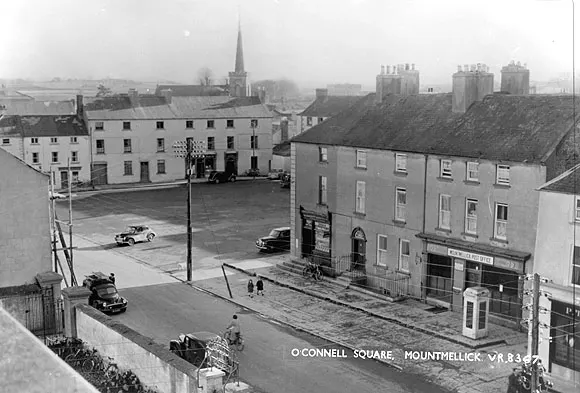
Mountmellick is a town shaped by centuries of history, enterprise, migration and community. From its Quaker heritage and famine-era stories to the lives of the Irish orphan girls and those who served in the First World War, these connections continue to link Mountmellick with families across Ireland and around the world.
Whether you are exploring local history or tracing your family roots, we invite you to discover the people, places and stories that helped shape Mountmellick's unique heritage.
Quaker Heritage in Mountmellick
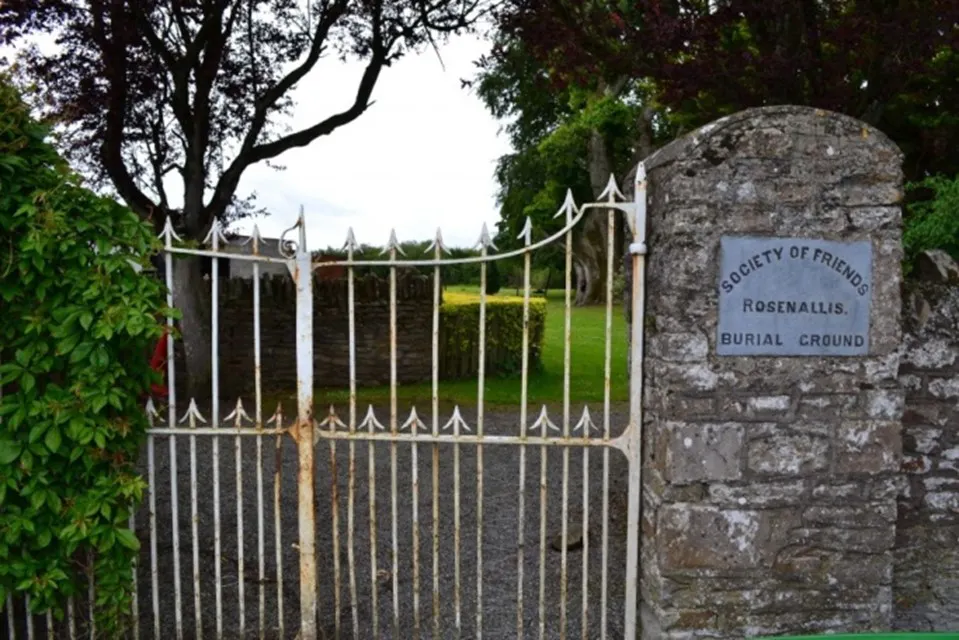
Mountmellick's history dates back to the 15th century, but it was the arrival of the Quakers, or Society of Friends, in 1655 that transformed the town's future. Led by William Edmundson and joined by families including the Pims, Jacksons and Thomsons, Mountmellick grew to become the most important Quaker settlement outside Dublin. Under their leadership, the town flourished as a centre of industry, trade and enterprise, earning the title "The Manchester of Ireland."
The Quakers played a significant role in shaping Mountmellick's economy and community. Their values of honesty, hard work and social responsibility helped establish businesses that provided employment and prosperity throughout the region.
Quaker Beliefs and Values
Quakers are often misunderstood in Irish history due to their association with settlers from England. However, as religious dissenters, they frequently faced discrimination themselves. Quakers rejected violence, refused to participate in wars and would not support military campaigns through taxation. Central to Quaker belief was the principle that all people were equal. They rejected social hierarchy, would not bow to nobility or swear oaths of allegiance, and placed great importance on integrity, simplicity and community. Women also enjoyed a greater degree of participation within Quaker society than was common at the time, taking an active role in community affairs and religious meetings. Today, the Quaker legacy remains an important part of Mountmellick's heritage, reflected in the town's history, architecture and enduring spirit of enterprise.
Emigration and a Global Legacy
The Great Famine brought significant change to Mountmellick and its Quaker community. During this period, many Quaker families chose to leave Ireland and begin new lives overseas, carrying with them the values and traditions that had shaped the town for generations. One such family was that of Nicholas Newlin, who was born in Hampshire, England, around 1630. In 1682, he received permission from the Mountmellick Quaker Meeting to emigrate with his family to the New World. Among the reasons cited for emigration were concerns about the continued persecution of Quakers and the search for greater religious freedom. Today, the descendants of Mountmellick's early Quaker families number in their thousands across Ireland, Britain, North America and beyond. Their stories remain closely connected to the town and form an important part of its rich heritage.

The Great Famine and Emigration
The Great Famine of 1845-1852 had a profound and lasting impact on Mountmellick and the surrounding area. In 1831, the population of Mountmellick and its district stood at 11,390. By the time of the famine, the town itself was home to over 8,000 people. The effects of famine, emigration and the later decline of local industries led to a steady decrease in population. Like many Irish towns, Mountmellick's story extends far beyond its local boundaries. Generations of families left in search of new opportunities, establishing communities across Australia, the United States, Canada, New Zealand and beyond. Today, descendants of these emigrants can be found throughout the world, many maintaining a strong connection to their ancestral roots in County Laois.
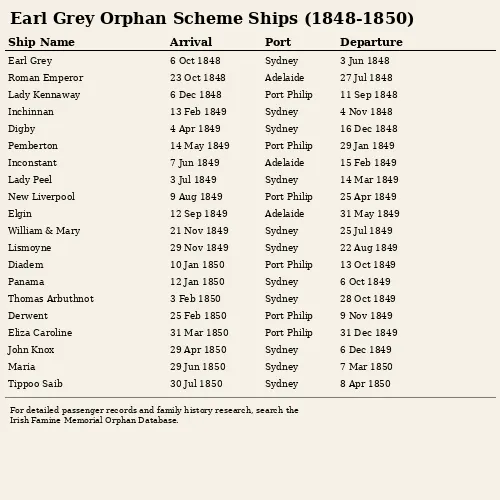
Australia holds a particularly important place in this story. Between 1848 and 1850, more than 4,000 young women and girls from Irish workhouses emigrated under the Earl Grey Scheme, including girls from the Mountmellick Workhouse. Their courage and determination helped shape new lives and communities on the other side of the world.
Today, many descendants return to Mountmellick to explore their family history and reconnect with the place their ancestors once called home. We warmly welcome visitors researching their Irish roots and are happy to offer local guidance and assistance in discovering Mountmellick's rich genealogical heritage. Rather than focusing solely on the hardships of emigration, we celebrate the enduring connections it created. Each year, descendants of Mountmellick families return to visit, bringing new stories, friendships and a renewed sense of connection between the town and its global diaspora.
The Irish Orphan Girls
The story of the Irish Orphan Girls is one of the most remarkable chapters in Mountmellick's history.
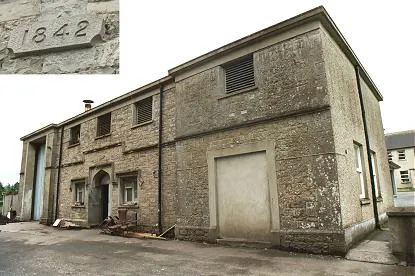
During the Great Famine (1845-1852), many families were left destitute, and thousands of children entered workhouses established under the Poor Law system. One such workhouse was located in Mountmellick, which became an important centre for relief during this difficult period. In 1848, Earl Grey, Secretary of State for the Colonies, introduced a scheme that enabled young women from Irish workhouses to emigrate to Australia. The programme aimed to provide opportunities for orphaned and impoverished girls while helping address labour shortages in the Australian colonies.
Between 1848 and 1850, more than 4,000 young Irish women travelled to Australia under what became known as the Earl Grey Orphan Scheme. Among them were girls from the Mountmellick Workhouse, many of whom undertook the long and challenging journey alone in search of a better future. Arriving in Sydney, Adelaide, Hobart and Port Phillip, these young women helped build new lives and communities across Australia. While many faced hardship and uncertainty, others went on to raise families whose descendants now number in the hundreds of thousands.
Today, the story of the Irish Orphan Girls forms an important part of the shared history between Ireland and Australia. Many descendants continue to trace their family roots back to Mountmellick and the surrounding area.
Mountmellick and the First World War
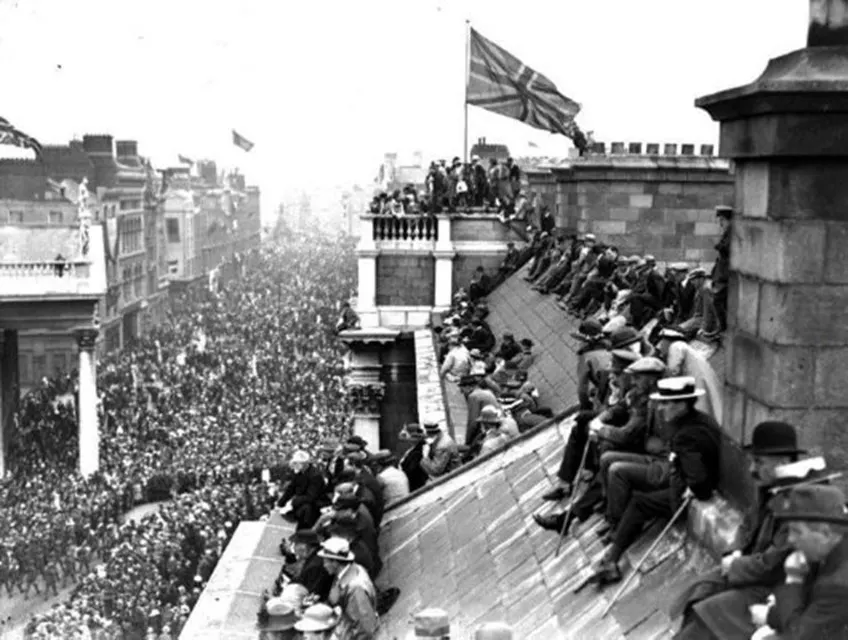
Mountmellick played its part in the First World War, with many local men serving in Allied forces during a time of great uncertainty and change. In the years that followed, the sacrifices made by these soldiers were often remembered quietly. Against the backdrop of significant political and social change in Ireland, many families mourned loved ones in private, and their stories were not always widely recognised. Today, there is a growing appreciation of the experiences of Irish men who served during the First World War. Communities across Ireland are rediscovering these personal stories of courage, service and sacrifice, ensuring that their contributions are remembered for future generations.
Mountmellick's connection to the First World War forms an important part of the town's heritage. Through local research, remembrance projects and family history initiatives, the stories of those who served are once again being brought to light.
Tracing Your Family Roots in Mountmellick
Mountmellick's rich history has created family connections that stretch across Ireland and the world. Whether your ancestors were Quakers, famine emigrants, workhouse residents, soldiers or local families, the town offers a unique opportunity to reconnect with your heritage.
Working with local heritage groups, including the Mountmellick Museum, we can help direct visitors to historical resources and genealogical information. We also have access to Quaker records that may assist with family research.
We warmly welcome visitors tracing their family history and are happy to provide local guidance as you explore your ancestral connections to Mountmellick and County Laois.